Hexa Number Merge Puzzle
Reviews
Description
Board Layout and Core Rules
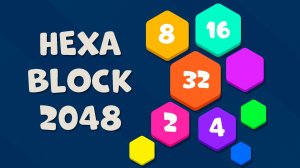
The playing field uses a hexagonal grid instead of the usual square pattern. This changes how tiles connect and move, requiring a different approach to planning. Each tile shows a number, and when two tiles with the same number touch, they combine into one tile with the next value. The goal is to keep the board from filling up while working toward higher numbers. Because the grid has six sides per cell, there are more possible paths for merges, which adds depth without making the game feel complicated.
Earning While Away
A key feature is the passive income system. Even when you close the game, it continues to generate points or currency based on your progress. When you return, you can collect what has built up. This makes the game suitable for people who have busy schedules or prefer short bursts of play. The idle rewards also help you purchase upgrades that can improve your merging speed or unlock helpful options.
Upgrades and Progression
As you play, you earn currency that can be spent on various enhancements. These upgrades might increase the rate of idle earnings, add new tile types, or provide other benefits that make merges easier. There is no set endpoint, so you can keep improving your setup over time. The progression feels steady and gives you a reason to check back regularly, even if you only have a few minutes to play.
Pacing and Player Experience
The game deliberately avoids any time pressure. There are no countdowns or timers, so each move can be considered carefully. This makes it a good choice for players who enjoy thinking through their options rather than reacting quickly. The calm pace also reduces stress, making it appropriate for all ages. The controls are simple, with drag-and-drop or tap interactions that are easy to learn.
Strategic Depth Without Complexity
While the rules are straightforward, the hexagonal layout introduces a layer of strategy. You must decide where to place each tile to maximize future merges and avoid blocking the board. Recognizing patterns and planning ahead becomes important as the board fills. The idle system adds a long-term element, encouraging you to think about how to balance active play with passive growth. This combination keeps the experience engaging without overwhelming the player.






Comments
Sign in to comment
You must be logged in before posting a review or rating.
No account? Create one
No comments yet. Be the first to comment!